

Worried Your Baby Has Torticollis?
Get an Early Specialist Evaluation with Dr. Tahiri
Most babies with congenital torticollis achieve full correction when treated early by a craniofacial specialist like Dr. Tahiri.
If your baby’s head is tilted, turned to one side, or the skull is starting to look flat, you are not overreacting. These can be early signs of congenital torticollis.
- Baby’s head tilted the wrong way all the time
- Facial asymmetry as your child grows
- Skull flattening on one side
- Limited neck movement
- A child who only looks in one direction
- Risk of permanent deformity and, in some cases, surgery later
At the Los Angeles Ear & Craniofacial Center, parents from across the U.S. and more than 40 countries choose Dr. Tahiri. His focus is simple:
- Most infants respond extremely well to early, gentle care
- In the vast majority of cases, surgery can be avoided
- With the right timing, full correction is often achievable
Why Parents Trust Dr. Tahiri for Congenital Torticollis
Choosing a doctor for your baby is stressful. Here is why many families trust Dr. Tahiri:
Trusted Worldwide
He has treated over 25,000 patients with congenital craniofacial deformities, caring for families from more than 40 countries.
Craniofacial Specialist
He is a renowned craniofacial surgeon specializing in pediatric plastic and craniofacial surgery in Beverly Hills.
Leader in Facial Asymmetry
Torticollis is closely tied to facial asymmetry and skull shape. Dr. Tahiri’s daily work in craniofacial surgery gives him deep experience in head position, symmetry, and long‑term facial balance.
Published Authority
He co‑authored a major textbook in his field, showing he is not just a surgeon, but a teacher and thought leader other doctors learn from.
Meticulous Approach
Every step is done with careful attention to function and appearance, which is critical when head position and facial symmetry are at risk.
For Parents, This Means:
- Higher chance of avoiding surgery in most cases
- Better odds of full correction when treated early
- A clear plan to protect both function and cosmetics as your child grows
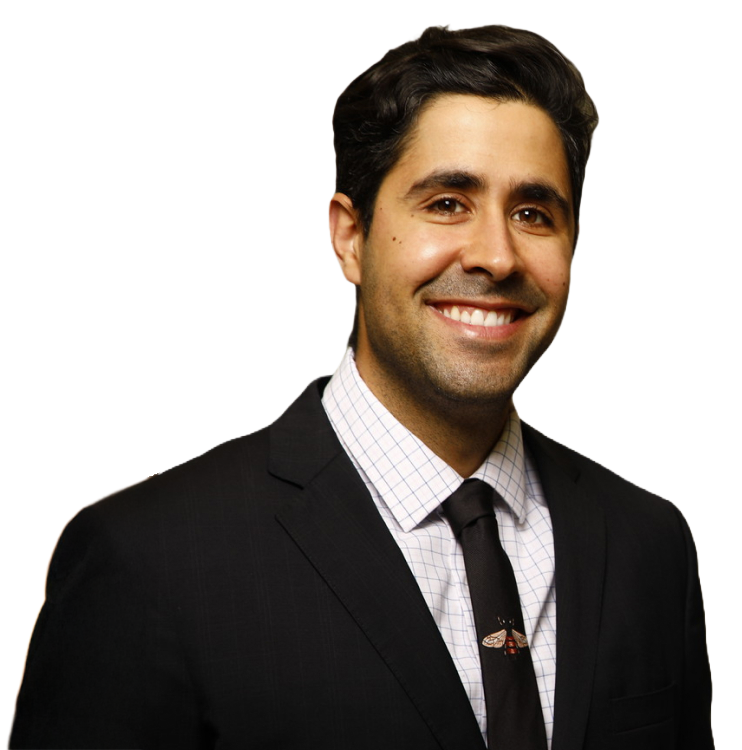
Your Baby Deserves a Specialist.
Dr. Tahiri Is Ready to Help.
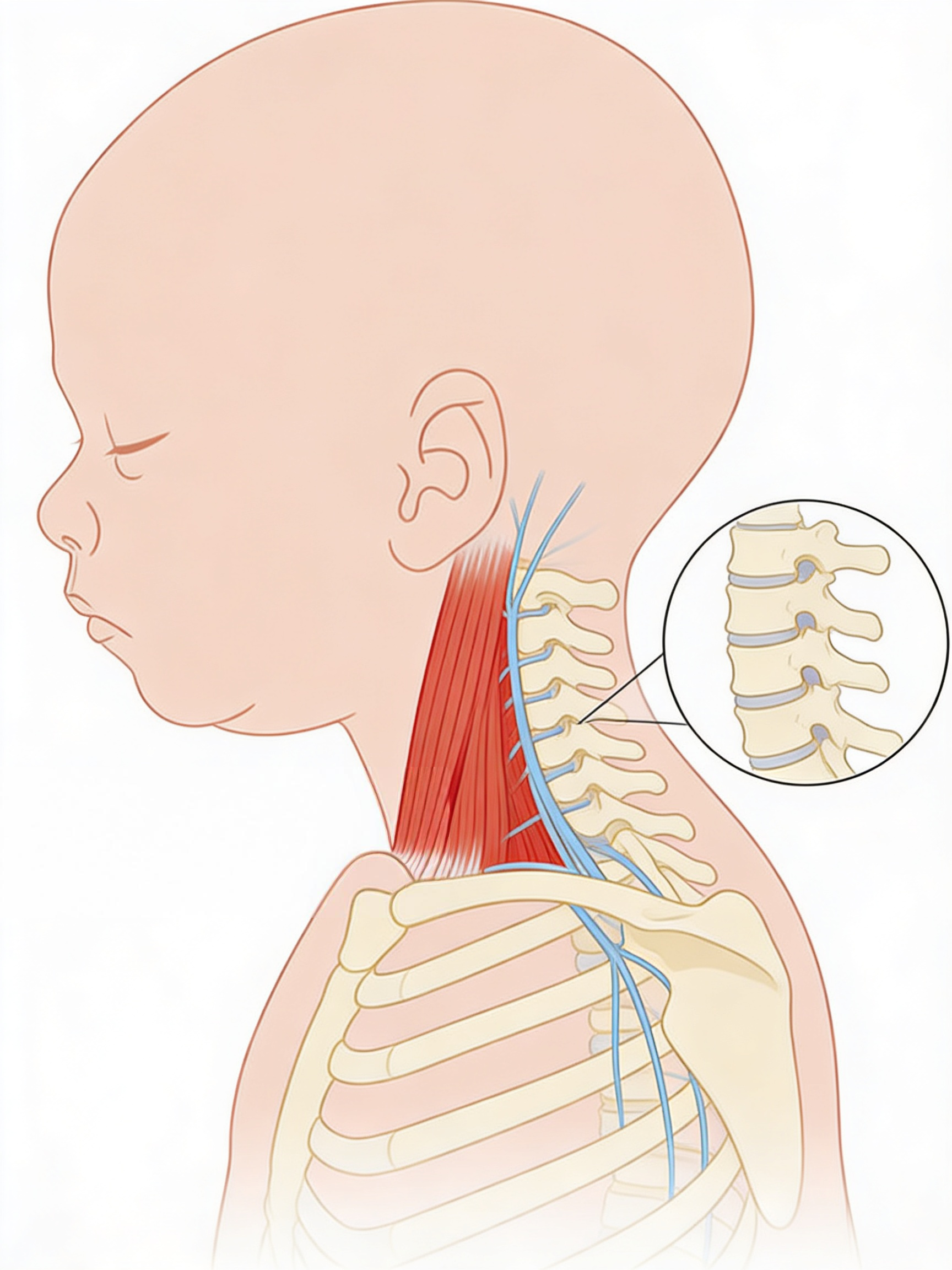
What Is Congenital Torticollis?
Congenital torticollis is a condition where a baby’s head tilts to one side and rotates to the opposite side.
It is usually caused by tightness or shortening of a neck muscle called the sternocleidomastoid (SCM).
This muscle:
- Runs from behind the ear to the collarbone and breastbone
- Helps your baby turn and tilt their head
When the SCM is tight, it pulls the head into an abnormal position. If not treated, this can lead to:
- Facial asymmetry
- Skull flattening (plagiocephaly)
- Limited neck motion
Dr. Tahiri’s goal is to:
- Restore normal head position
- Enhance symmetry of the face and skull
- Restore range of motion in the neck
- Protect long‑term function and appearance
Why It Happens: What Parents Should Know
The exact cause is not always clear, but factors that may lead to congenital torticollis include:
- Positioning in the womb that puts pressure on the neck
- Limited space during pregnancy
- Birth trauma or difficult delivery
- Reduced blood flow to the SCM before or during birth
- Fibrosis (scarring) within the muscle
Sometimes this scarring forms a small, firm lump in the muscle called a “sternocleidomastoid tumor.” It is benign and often goes away over time, but the muscle can stay tight without treatment.
This explains:
- Why your baby’s head may be tilted wrong
- Why birth trauma can show up as a neck issue
- Why muscle scarring can make torticollis harder to treat if care is delayed
What Parents Usually Notice First
Most parents see signs in the first weeks or months of life, such as:

Head Tilt
Baby’s head always tilted to the same side, chin turned toward the opposite side.

Limited Movement
Baby prefers to look only one way and fights or cries when you try to turn the head the other direction.

Visible Changes
One side of the head appears flatter, or early facial asymmetry if not treated.
Early Recognition Is Crucial
The sooner Dr. Tahiri evaluates your baby, the more likely it is to:
- Prevent facial asymmetry
- Stop skull flattening
- Prevent long‑term motion limits
Don’t Wait for Signs to Worsen.
Get an Early Assessment Today.
Gentle Stretching & Positioning
- Gentle stretching exercises
- Simple positioning techniques
- Strengthening therapy
- Supervised physical therapy designed for infants
Parent-Guided Home Care
Parents are not expected to figure this out alone. A therapist will:
- Provide parent education so you understand the condition
- Teach you home exercises step by step
- Show you how to fit these exercises into daily life

With Consistent Therapy, Many Babies Achieve:
- Full correction of head tilt
- Restored motion range in the neck
- Improved symmetry of the head and face
This approach:
- Avoids surgery in the vast majority of cases
- Offers dramatic improvement when started early
- Helps maximize recovery potential and ensure proper development
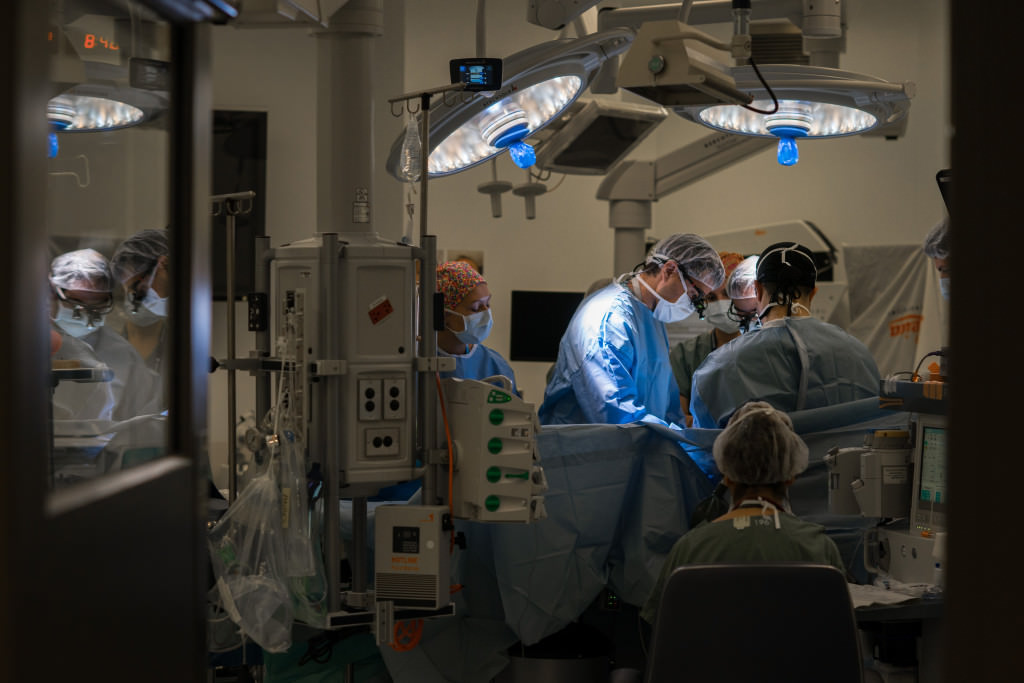
When Is Surgery Needed?
Sometimes, even with good therapy, the muscle stays too tight. In these rare cases, Dr. Tahiri may recommend surgery.
Surgery is usually considered when:
Neck motion stays limited
Head tilt doesn’t improve after prolonged therapy
Facial asymmetry is getting worse
Child is older and conservative care hasn’t worked
Surgical Focus
- Carefully releasing or lengthening the tight SCM
- Restoring motion range
- Restoring head position and improving symmetry
Dr. Tahiri’s Approach
- Performed with careful attention to function and cosmetics
- Followed by ongoing physical therapy to keep and improve motion
What Happens After You Contact Dr. Tahiri
Photo Review & Intake
You can upload photos of your baby’s head and neck. Dr. Tahiri reviews these for early signs of tilt, flattening, and asymmetry.
Specialist Evaluation
At your visit or virtual consult, Dr. Tahiri examines head position, neck motion, and skull shape.
Clear Plan
You leave with a clear, written plan that may include:
- In‑clinic therapy schedule
- Daily home exercises
- Follow‑up timing to track progress
Ongoing Support
His team checks in, adjusts the plan as your baby grows, and makes sure you are not carrying the home therapy burden alone.
This Gives You:
- A specialist evaluation
- A comprehensive treatment plan
- Confidence that you are doing everything possible, at the right time, to help your child
Ready to Take the First Step?
Dr. Tahiri’s Team Is Here for You.
Frequently Asked Questions
Congenital torticollis is a condition where a baby’s head tilts to one side and rotates to the opposite side, usually caused by tightness or shortening of the sternocleidomastoid (SCM) muscle in the neck. If not treated, it can lead to facial asymmetry, skull flattening, and limited neck motion.
In the vast majority of cases, yes. The first line of treatment is non-surgical and includes gentle stretching exercises, positioning techniques, strengthening therapy, and supervised physical therapy programs designed for infants. Most babies achieve full correction with consistent therapy.
Surgery is usually considered only when neck motion stays limited after prolonged therapy, when the head tilt does not improve, when facial asymmetry is getting worse, or when the child is older and conservative care has not worked. Dr. Tahiri’s surgical approach focuses on carefully releasing or lengthening the tight SCM to restore motion and symmetry.
Every month of delay can make treatment harder. Skull flattening and facial asymmetry can become more fixed over time. A timely specialist evaluation lets you catch the problem early, start treatment at the optimal development timing, and prevent complications.
The exact cause is not always clear, but factors include positioning in the womb, limited space during pregnancy, birth trauma or difficult delivery, reduced blood flow to the SCM, and fibrosis (scarring) within the muscle. Sometimes the scarring forms a small lump called a “sternocleidomastoid tumor,” which is benign but can keep the muscle tight.
You can start by uploading photos for review. At your visit or virtual consult, Dr. Tahiri examines head position, neck motion, and skull shape. You leave with a clear, written plan that may include an in-clinic therapy schedule, daily home exercises, and follow-up timing to track progress.
Dr. Tahiri’s team works with families from across the U.S. and more than 40 countries. Virtual consultations are available, and the team provides ongoing support including follow-up check-ins and adjusted treatment plans as your baby grows.
Book a Torticollis Evaluation with Dr. Tahiri
You don’t have to figure this out alone. Dr. Tahiri and his team are here to help, and they are ready when you are.
Start with a specialist evaluation and get a clear plan to protect your baby’s development.
Questions? Call our Beverly Hills office to speak with our team.