
Restore Balance.
Regain Confidence.
Our specialists offer advanced care for children and adults affected by unilateral marginal mandibular nerve palsy. From diagnostic analysis to surgical correction, we combine precision and compassion to create real, lasting results.

Board-Certified Craniofacial Surgeon

Family-Centered Approach

Trusted by Patients Worldwide

Restoring Facial Balance in Microtia and Hemifacial Microsomia
A smile is one of the most natural ways we express emotion, but for people born with facial asymmetry, smiling can sometimes bring frustration or self-consciousness.
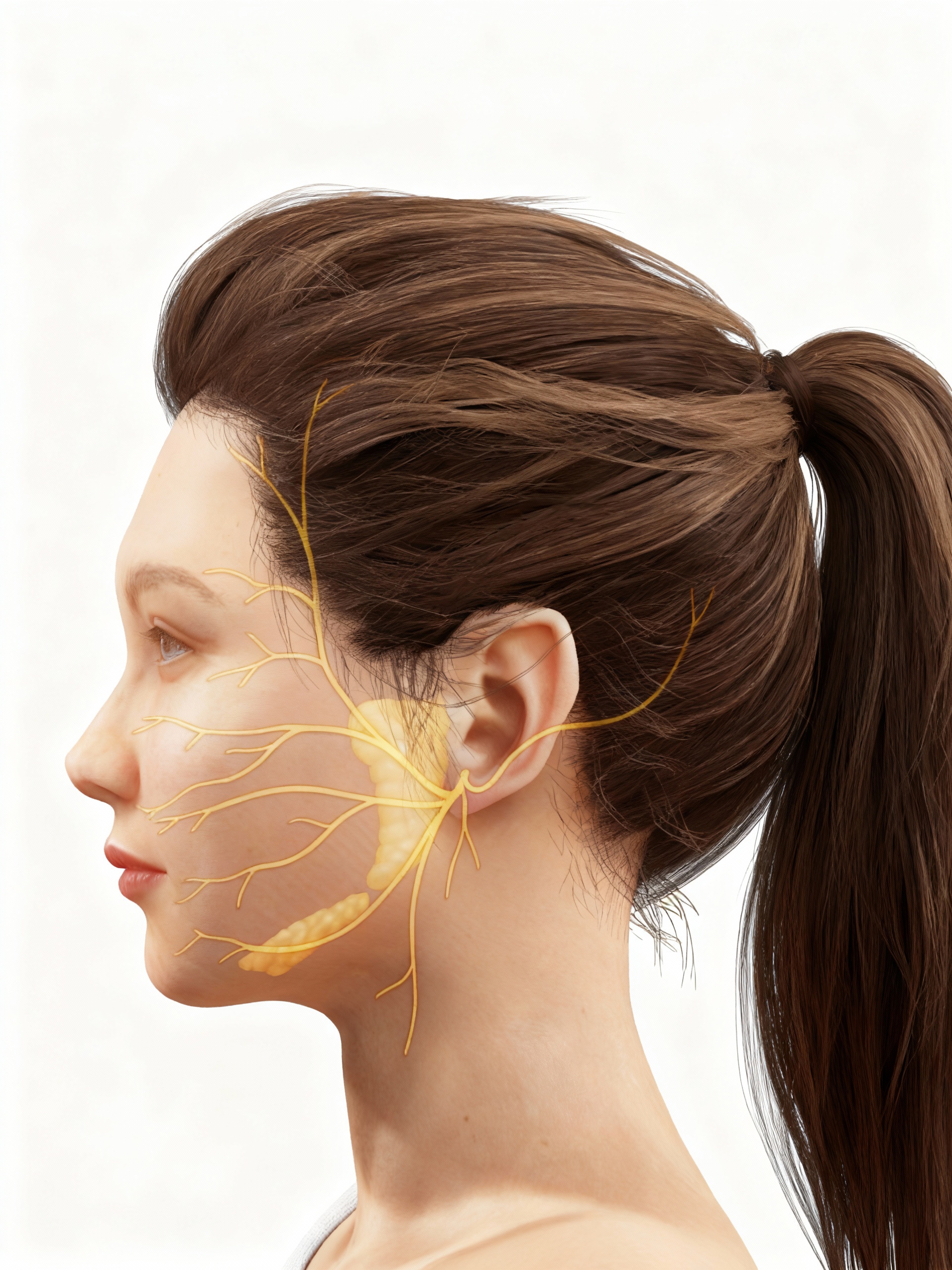
In individuals with microtia or hemifacial microsomia, a common cause of this imbalance is unilateral marginal mandibular nerve palsy. This small nerve controls the muscles that pull the lower lip downward. When it underperforms on one side, the other side pulls harder, creating what’s often described as a “crooked smile.”
The encouraging news is that facial balance can be restored. Today’s treatments, from BOTOX® injections to precise surgical correction and targeted facial therapy, help patients regain natural expression and confidence.
This page explains the condition, its causes, and the treatment options available for both children and adults living with microtia or hemifacial microsomia.
What the Marginal Mandibular Nerve Does (and Why Smiles Tilt)
The marginal mandibular branch of the facial nerve powers several lower-lip muscles:
- Depressor labii inferioris (DLI)
- Pulls the lower lip downward and slightly outward.
- Depressor anguli oris (DAO)
- Draws the corners of the mouth down, essential for frowning.
- Mentalis (sometimes)
- Lifts and pushes the lower lip forward.
When this nerve is weak or absent on one side, the stronger side dominates. During smiling or speaking, one corner of the mouth moves freely while the other remains limited—resulting in asymmetry.
Why This Happens in Microtia and Hemifacial Microsomia
Both conditions develop early during fetal growth. They may affect one side of the ear, jaw, soft tissue, and facial nerves. Because growth is uneven, the marginal mandibular nerve can be smaller, malformed, or completely absent.
This leads to reduced movement of the lower lip on the affected side—even when the rest of the face appears balanced.
Early Development & Asymmetry
- Begins in early fetal growth.
- Often affects one side more than the other.
- May involve ear, jaw, soft tissue, and facial nerves.
Nerve-Specific Effects
- Marginal mandibular nerve may be small, malformed, or absent.
- Lower-lip movement is reduced on the affected side.
- Overall facial balance can still look normal at rest.
How Dr. Tahiri Confirms the Diagnosis
Diagnosis focuses on movement and muscle activity, not just physical appearance. A thorough evaluation may include:
- Photo and video analysis: captures expressions at rest, during speech, and while smiling.
- Targeted muscle testing: helps identify which muscles are active or weak.
- Electromyography (EMG): measures electrical activity in the lower-lip muscles.
- MRI or CT imaging: used to assess anatomy and assist in treatment planning for complex cases.
What We Look For
The focus isn’t just symmetry—it’s function. We evaluate how the lips, jaw, and facial muscles move together to create natural, expressive motion.
By combining imaging and EMG data with visual analysis, we can pinpoint the exact source of imbalance and create a personalized plan for restoring facial harmony.
First-Line Care: BOTOX® for Balance
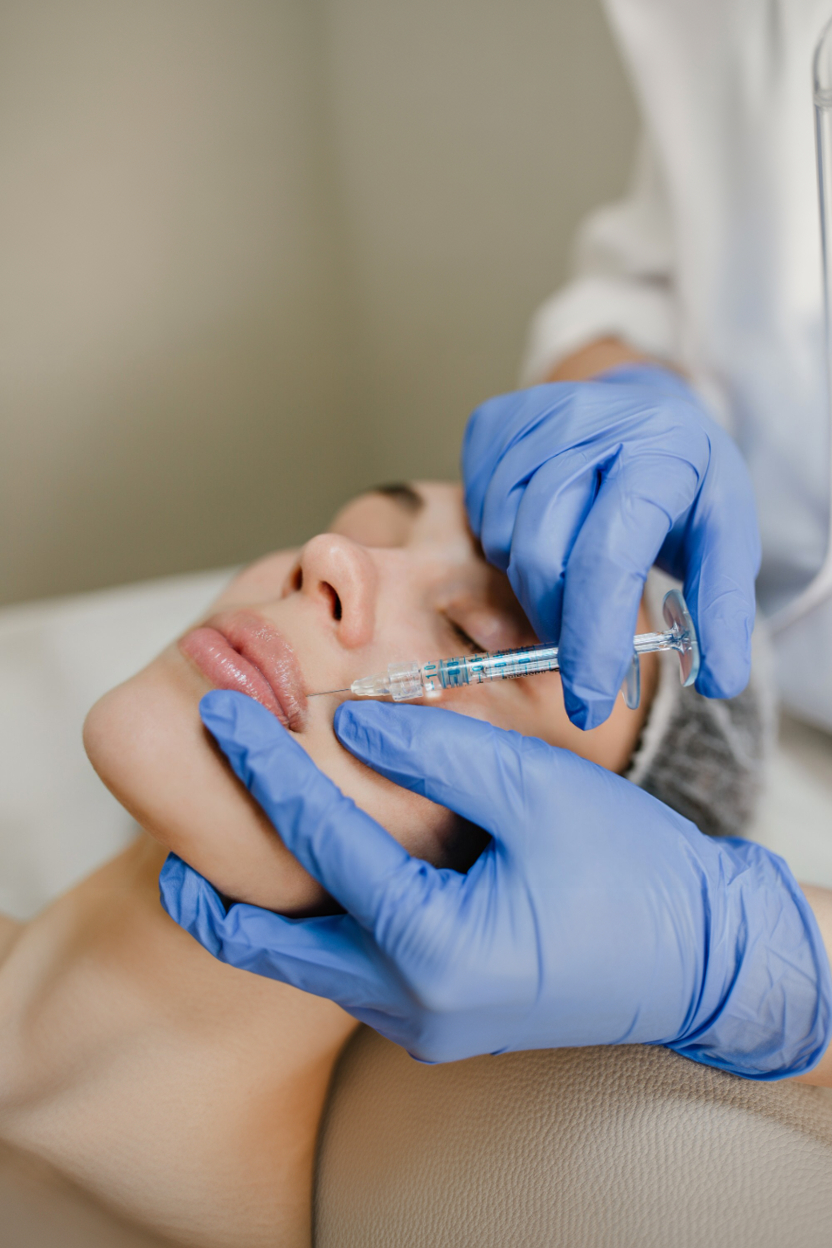
For many patients, the first step involves non-surgical correction using BOTOX®. By gently relaxing the stronger side of the face, symmetry is restored without touching the weaker muscles.
What to Expect
- Quick outpatient procedure (about 30 minutes)
- Minimal discomfort (topical numbing or cold pack helps)
- No downtime—most people return to normal activity immediately
- Temporary results lasting 3–6 months
Benefits
- Reversible and safe
- Provides a “preview” of surgical results
- Can be repeated or adjusted as needed
Limitations
- Requires ongoing maintenance
- Temporary mild weakness in treated muscles may occur
When Surgery Makes Sense
Surgery is considered when asymmetry is more pronounced or when BOTOX® no longer provides sufficient improvement. It’s also appropriate for patients seeking a long-term solution once facial growth has stabilized.
Two common surgical approaches are used to restore balance:
Option 1: Selective Myomectomy
(Muscle-Focused)
Minimally invasive procedure to weaken or remove part of the depressor labii inferioris (DLI) on the stronger side through a small incision (often inside the mouth).
- Permanent improvement
- Minimal visible scarring
- Short recovery time
- Rare overcorrection or stiffness
- Temporary tightness or weakness in nearby muscles
Option 2: Selective Neurotomy
(Nerve-Focused)
Surgeons partially divide specific marginal mandibular nerve branches on the stronger side. A nerve stimulator helps identify the right branches in real time.
- High precision and control
- Allows real-time symmetry adjustment
- Suitable for severe or complex asymmetry
- Slightly more invasive
- Temporary numbness or weakness may occur

Recovery, Therapy, and Long-Term Follow-Up
After either procedure, recovery is typically smooth. Most patients experience mild swelling or bruising for one to two weeks and resume normal activities within a few days.
Post-treatment rehabilitation plays a crucial role in optimizing results. A facial therapist may guide you through:
Follow-Up Timeline
- 1 week Incision check, swelling review, early motion cues
- 1 month Progress review; adjust therapy intensity
- 3 months Symmetry assessment; refine exercises
- 6–12 months Maintenance visits; periodic BOTOX® touch-ups to maintain harmony
Get in Touch with Us
Take the first step toward a confident future today. Contact Dr. Tahiri’s Beverly Hills office to schedule a personal consultation and discover how we can transform your life and give you the freedom you deserve.
Still Have Questions?
Contact our dedicated team:
- Email: [email protected]
- Phone: (310) 255-4476
“Everyone in the team was friendly, helpful and welcoming. Despite our worries and concerns, we received all the help that we could possibly get, from the moment we came until we left.”